
Mölle, Kullaberg, Sweden
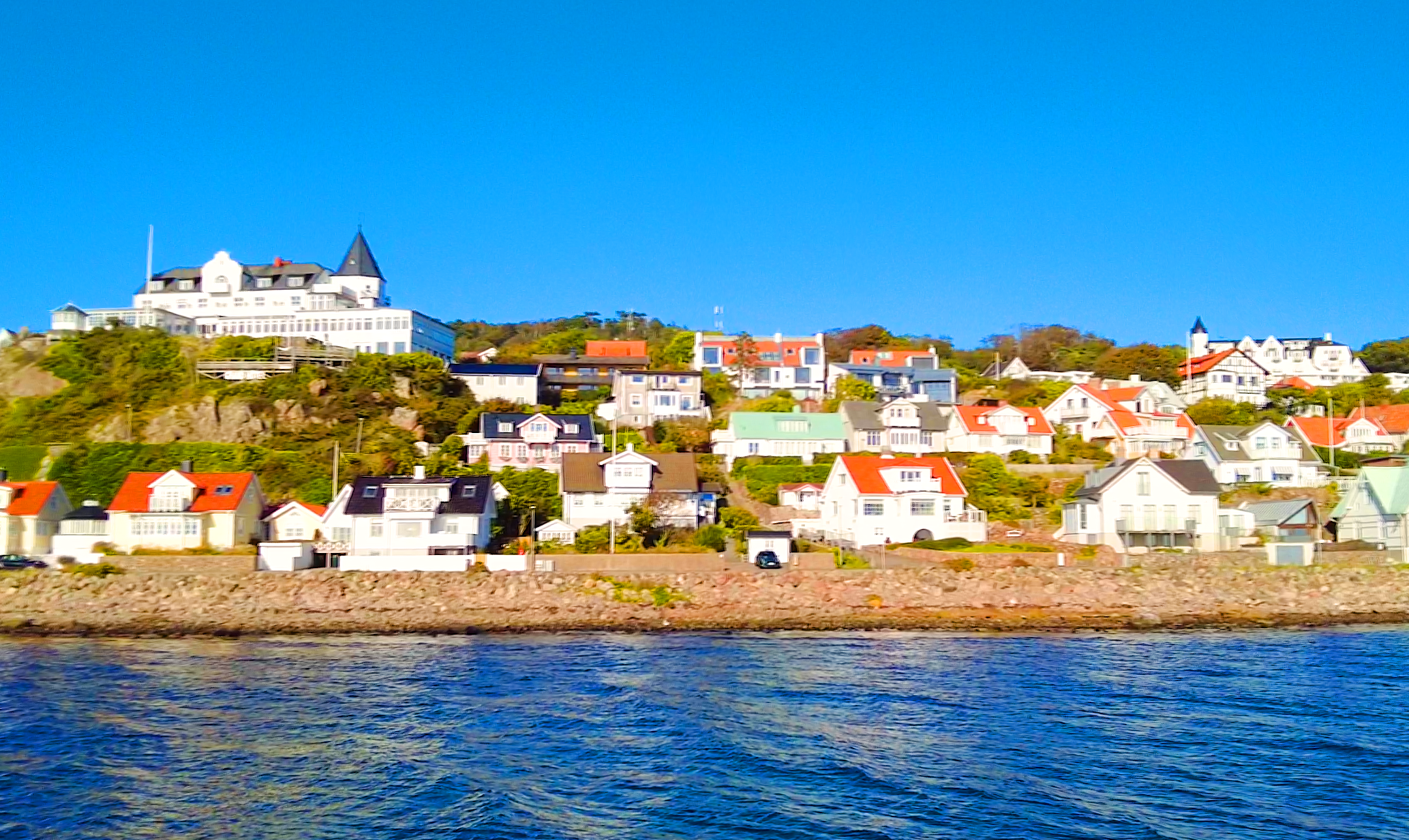
Mölle is a settlement on the Kulla peninsula in Brunnby parish in Höganäs municipality, Skåne county.
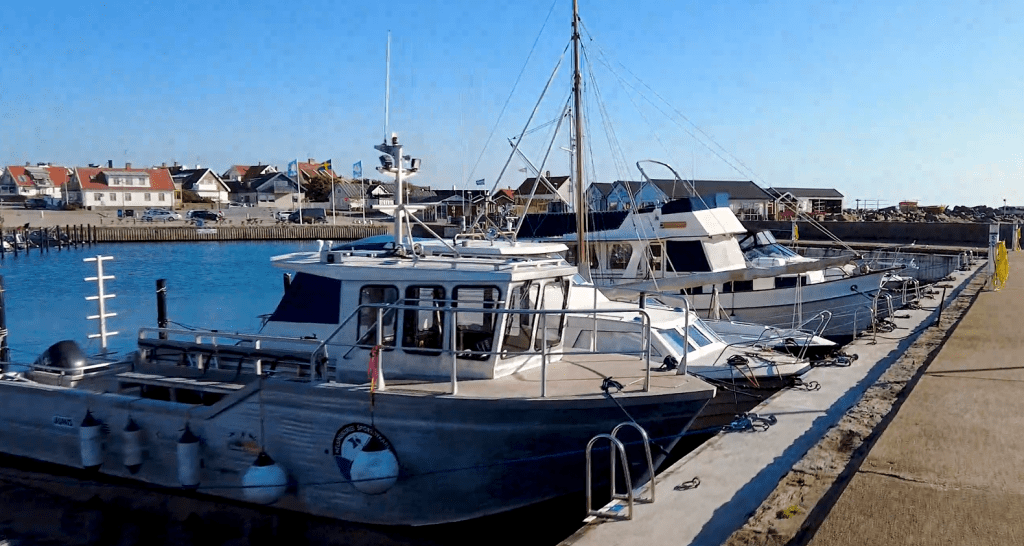
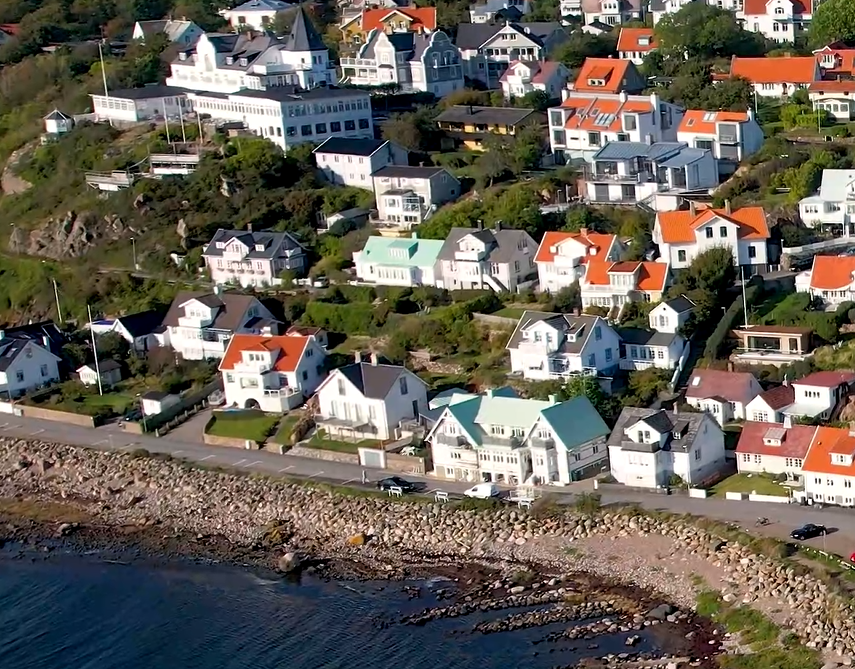
The community was originally a fishing village, but came to play a major role in the emerging tourism in Sweden at the end of the 19th century.Mölle’s scenic location next to the northern outlet of the Öresund, with the Kullaberg as a background, contributed to this.
Community baths for men and women were introduced in Ransvik at the beginning of the 20th century. The heyday as a tourist destination occurred just before the First World War, but even during the interwar period the tourist flows were large.
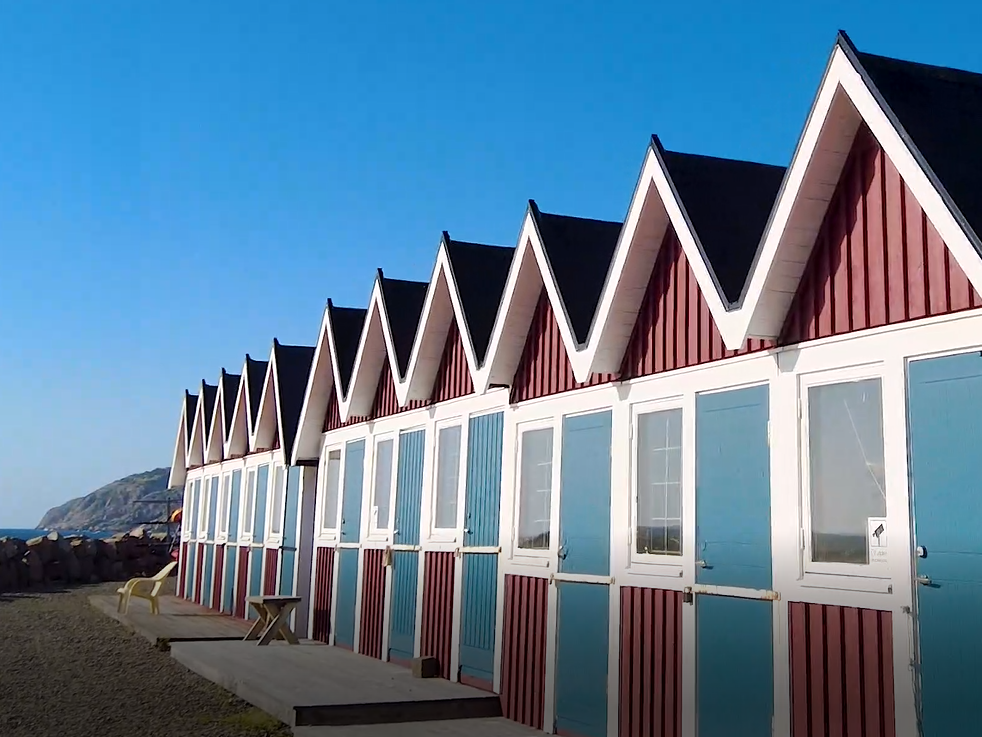
Mölle is still a popular tourist resort with a tripling of the number of inhabitants during the summer months. The Mølle area has been inhabited since the Stone Age. The existence of the place Mölle has been shown since 1491, through documents in an archive in Copenhagen. That is why the town’s 500th anniversary was celebrated in 1991.
The community was originally a fishing village under Krapperup Castle. It was the farmers in Mölle village, Gylleröd, Bärekull, Krapparp and Möllehässle who used this “location”. The first known map from 1685 shows no harbor facility.
One such appears for the first time on a map from 1755. In 1569, the fishing village consisted of ten fishermen’s houses. Behind them, a little inland, there was originally a farm. Eventually another farm was added, and these farms together formed Mölle village.
In the 1680s there were a total of 22 houses, and around the turn of the century 1800 the number was up to 66. In the early 18th century, it was feared that Skåne could be retaken by the Danes. Karl XII therefore had a number of fortifications built and strengthened along the Scanian coast.
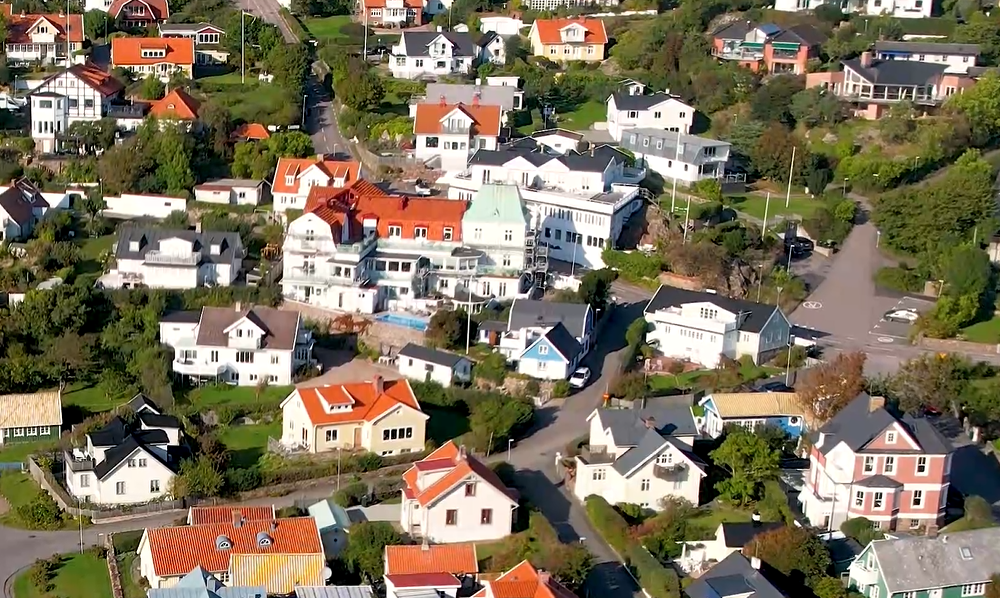
One of these is Karl XII’s redoubts in Mölle. They are located 400 m northwest of the harbor and were built in the years 1715–16. The redoubts originally consisted of three redoubts with intermediate lines. Only one redoubt, the right, remains. Mölle’s character as a compact fishing village changed after a major fire in August 1890, which reduced 16 of the village’s 129 houses to ashes.
The two farmhouses that made up Mölle village also burned down then. The fire led to villa-style stone houses replacing fisherman’s cottages and half-timbered houses with straw and reed roofs. The risk of fire also decreased when the distances between the houses increased.
Here is a video from our visit to Mölle:
Here is where you can find more information about the Mölle: https://www.molle.se/
Visit our interesting post about Kullaberg: https://travelsandfood.com/kullen-kullaberg-sweden/
Have you ever visited Mölle?
Post a comment below about your experience.
Thank you for visiting our site.
Please give us your star-rating.